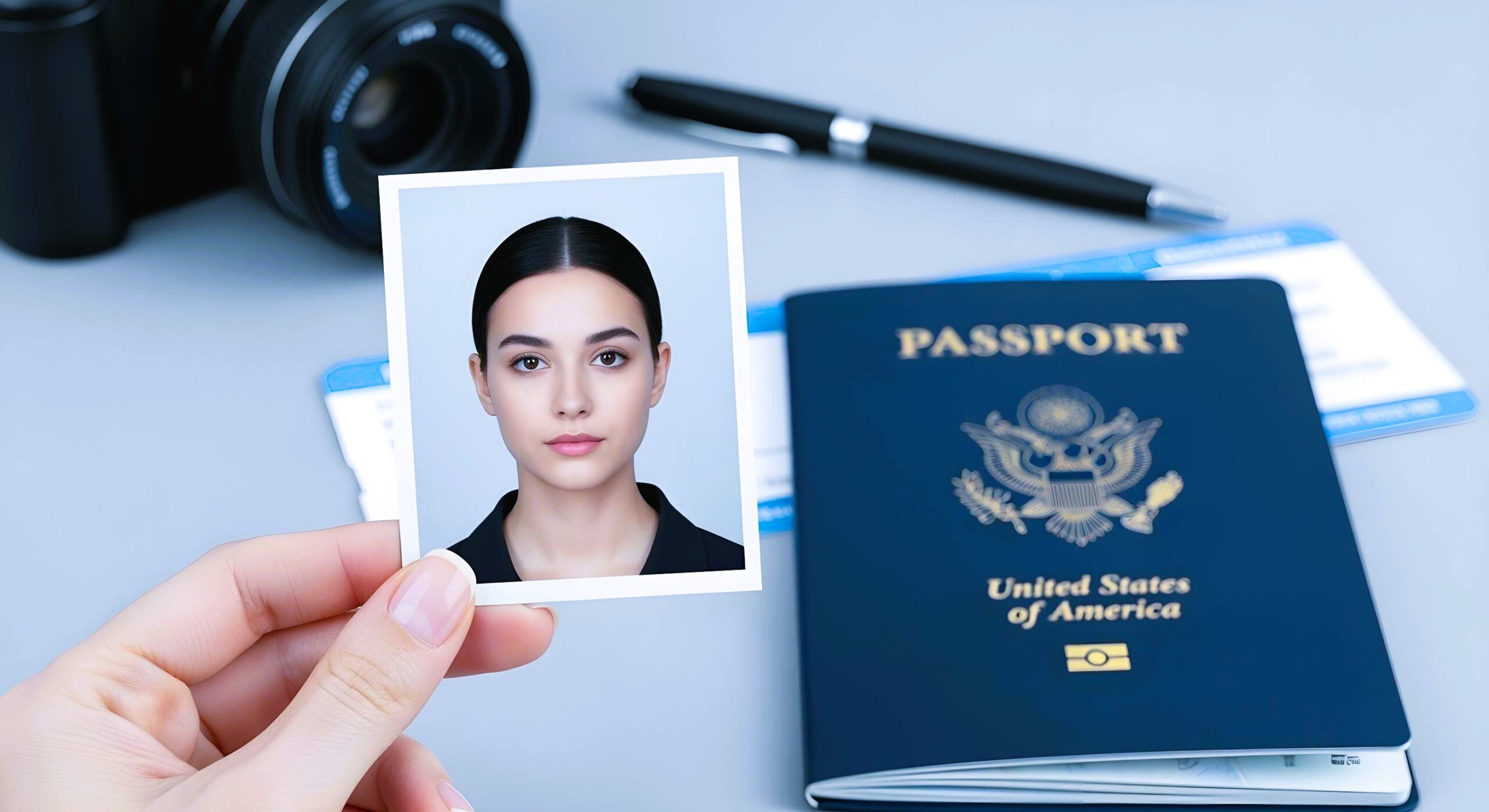
In today’s digital age, almost everything is online—applications, government services, banking, and even identity verification. With this shift, document photos have become an essential part of our lives. But have you ever wondered why there’s such a strict rule against heavily editing these photos? Why can’t you just use a filtered, perfectly polished version of your ID or passport photo? Let’s dive deep and uncover the reasons behind these rules.
The Purpose of Document Photos
Document photos are far more than just a formal requirement—they play a critical role in verifying a person’s identity across a wide range of official and legal processes. Unlike casual selfies or social media images, these photos serve as a reliable visual record that authorities and institutions can trust. They provide a standardized way for governments, banks, and other organizations to recognize an individual quickly and accurately. Any alterations or heavy editing can undermine this reliability, potentially causing confusion or even fraud.
At the core of their purpose is establishing identity. Document photos are used to confirm that the person presenting the document is indeed the person the document was issued to. This is especially important in systems that rely on visual identification, such as border controls, security checks, and biometric authentication. Altering facial features through editing—such as reshaping the nose, smoothing out skin, or adjusting eye shape—can make it difficult for officials or automated systems to verify identity accurately, which defeats the very purpose of having an official photo.
Legal compliance is another critical aspect of document photos. Most government-issued IDs, passports, and licenses come with strict regulations about how the photo must look. For example, passport photos typically require a neutral expression, clear visibility of the face, and a plain background with no shadows or edits. Driver’s licenses often include biometric features, like iris scans or face-mapping, which are calibrated to work with unaltered images. Deviating from these rules—even slightly—can result in applications being rejected or the document being deemed invalid.
Beyond individual identity verification, the standardization of document photos also supports broader security and administrative functions. Consistent, unaltered photos allow institutions to maintain integrity across databases, ensure fair identification processes, and prevent misuse of documents. Whether it’s for opening a bank account, applying for government benefits, or passing airport security, having a legally compliant, accurate photo ensures that both the individual and the organization are protected from potential errors, fraud, or misunderstandings.
Understanding “Heavy Editing”
Before diving into why heavy editing is not allowed, it’s important to understand exactly what counts as heavy editing in the context of document photos. Heavy editing refers to any modification that significantly alters a person’s natural appearance or the official format of the photo. These edits are considered unacceptable because they compromise the authenticity of the image, making it unreliable for identity verification or legal purposes. In many cases, even seemingly minor changes can be flagged by automated systems or human reviewers as violations of official standards. Understanding the full spectrum of prohibited edits can help avoid unnecessary application rejections or delays.
- Skin smoothing or blemish removal is considered heavy editing because it changes the natural texture of the skin. While a minor touch-up might seem harmless, removing scars, moles, or wrinkles can make the face appear artificially uniform and different from reality, which interferes with biometric or visual recognition systems.
- Face reshaping or contour alterations, such as modifying the nose, jawline, or cheekbones, are strictly prohibited. These changes alter the fundamental structure of the face, which is critical for identification purposes. Any distortion of facial features can make the photo invalid for passports, driver’s licenses, or other official documents.
- Background changes are not allowed, even if the original background is plain or unprofessional. Replacing a simple, neutral background with decorative graphics, scenic images, or colored patterns violates official regulations and can mislead identity verification systems. The plain background ensures that attention remains solely on the face.
- Color modifications, including oversaturation, desaturation, or changing the skin tone, are prohibited. Adjusting colors may make the subject look healthier, lighter, or darker than they actually are, which can create discrepancies during verification. Even small shifts in hue or contrast can raise red flags in automated document verification systems.
- Adding filters, effects, or overlays is considered heavy editing. Any enhancement that makes the image appear stylized, artistic, or unnatural can cause the photo to fail biometric checks or manual review.
- Altering facial expressions or adding artificial smiles is not permitted. A neutral expression is essential for legal photos to maintain consistency across official records. Heavy editing that changes the expression can invalidate the image.
- Cropping too aggressively, to the point where portions of the head, chin, or shoulders are cut off, can also fall under heavy editing. The full head and upper shoulders need to be visible in document photos to ensure accurate identification.
- Retouching to remove shadows, glare, or imperfections beyond minor adjustments may cross the line into heavy editing if it significantly changes how the facial features are perceived.
Risks of Heavy Editing on Document Photos
| Risk Category | Type of Issue | Specific Examples | Impact on Verification | Potential Consequences |
| Application Rejection | Passport | Altered facial features, color changes, edited background | Automated system flags image as invalid | Photo resubmission required, delays in passport issuance |
| Driver’s License | Cropping too tightly, face reshaping | Cannot pass biometric or visual verification | Application cannot be processed until corrected | |
| Bank KYC Documents | Retouched or filtered selfie | System cannot verify identity | Account opening or verification delayed | |
| Security Compromise | Biometric Authentication | Over-smoothing skin, reshaping eyes or jawline | AI fails to recognize the person | Identity matching errors, false rejections |
| Fraud Detection | Color modifications or background edits | Triggers fraud alerts in automated monitoring | Investigation, account holds, or legal inquiries | |
| Verification Delays | Manual Review | Heavily edited features or unnatural expressions | Officials spend extra time reviewing | Processing delays, possible multiple submissions |
| Legal Implications | Document Legality | Any non-compliant edits | Photo deemed invalid under official standards | Fines, application rejections, or legal penalties |
| System Errors | Database Consistency | Altered facial proportions or missing features | Errors in automated record matching | Conflicting records, verification failures |
| Identity Misrepresentation | Misleading Appearance | Removing scars, moles, or natural marks | Official record does not match real identity | Fraud suspicion or administrative complications |
| Service Disruption | Travel, Banking, or Official Services | Altered images in IDs or passports | Systems fail to validate identity | Delays in travel, account access, or receiving services |
Why Regulations Are Strict
Regulations around document photos are intentionally strict because these images play a critical role in security, legal processes, and identity verification. Authorities cannot afford to take risks with altered or manipulated photos, as even minor changes can compromise the integrity of official records. Heavy editing can mask natural features, making it easier for someone to misrepresent themselves or evade detection, which is why the rules are rigidly enforced across nearly all official documents.
One of the primary reasons for strict regulations is preventing identity fraud. In today’s digital and interconnected world, fraudsters are constantly looking for ways to exploit weaknesses in identification systems. A heavily edited photo can make it easier for someone to impersonate another person, access sensitive accounts, or bypass security checks. By enforcing strict standards on how document photos should appear, authorities create a safeguard against fraudulent activities, helping protect both individuals and institutions from financial loss, legal complications, or security breaches.
Another key reason is maintaining consistency across systems. All official documents—whether passports, driver’s licenses, or national IDs—must conform to uniform standards so that automated and manual verification systems can function efficiently. If each photo were edited differently, it could disrupt facial recognition software, confuse security personnel, and result in errors when processing or verifying identities. Standardization ensures that every document is easily recognizable and reliable across multiple platforms, reducing the risk of mismatches or delays.
Finally, strict regulations also help preserve trust in official documentation. When people and institutions know that all documents follow the same guidelines, there is confidence that the system is fair, secure, and dependable. Any leniency in editing rules could undermine this trust, leading to disputes, verification failures, or even legal challenges. By keeping the rules tight and enforcing them consistently, authorities ensure that document photos remain a trustworthy and effective tool for identity verification worldwide.
The Role of Biometric Systems
Biometric verification has rapidly become a standard method for confirming identity across governments, banks, airports, and other secure institutions. These systems rely heavily on the accuracy of facial features and unaltered document photos, meaning that any changes or heavy edits can compromise their effectiveness. Understanding how biometric systems work and the specific elements they measure can help explain why heavily edited photos are unacceptable.
- Modern facial recognition systems measure key facial landmarks with incredible precision, including the distance between the eyes, the width and length of the nose, the shape and angle of the jawline, and the position and orientation of the ears. Even subtle edits, such as smoothing the skin, altering eye shape, or changing facial proportions, can distort these measurements and cause the system to fail in identifying the individual correctly.
- AI-powered verification software also analyzes micro-features such as cheekbone contours, lip thickness, and the spacing between facial features. Heavy editing interferes with these details, making it more likely for the system to produce false negatives, where a legitimate document is rejected, or false positives, where someone else could potentially match the edited image.
- In addition to facial recognition, biometric systems often include multi-factor checks that rely on the original integrity of the image. For instance, iris recognition, 3D face mapping, and other advanced biometric tools use precise facial geometry that can be altered by retouching, filters, or reshaping. Any deviation from the natural appearance increases the risk of errors in verification.
- Automated AI systems are designed to detect inconsistencies or anomalies in images, such as unnatural skin textures, altered shadows, or digitally enhanced features. Heavily edited photos are more likely to trigger these alarms, leading to delays in processing, additional manual reviews, or outright rejection of the application.
- Biometric verification also depends on historical consistency. Many systems compare the submitted image with previously stored records. If a new document photo has been heavily modified, it may no longer match existing records, causing verification failures even if the person is genuine.
- The effectiveness of biometric systems is not limited to official applications; they are also widely used in financial services, border control, and online identity verification. Any alteration to a document photo can undermine trust in these systems, slow down administrative procedures, and create frustration for users who may have to resubmit their documents multiple times.
- Ultimately, the accuracy of biometric systems hinges on natural, unedited images. By maintaining strict rules against heavy editing, authorities ensure that these systems function reliably, reduce the risk of fraud, and protect both individual identities and organizational security.
Common Misconceptions About Editing Document Photos
| Misconception | What People Think | Reality | Why It’s a Problem | Potential Consequences |
| “Just a Filter Won’t Matter” | Applying a simple filter to enhance the photo is harmless. | Even subtle smoothing, color adjustments, or brightness edits can be detected by automated systems. | Filters can distort facial features, skin tone, or shadows, making biometric recognition inaccurate. | Photo may be flagged, rejected, or require resubmission. |
| “It Looks Better, So It’s Okay” | Aesthetic improvements like whitening teeth or removing blemishes are acceptable. | Official document photos are not judged by appearance—they must reflect the person’s true, natural look. | Changing appearance can prevent accurate identity verification. | Applications may be delayed or refused; identity verification may fail. |
| “Cropping or Resizing is Editing” | Cropping or resizing the photo is the same as heavy editing. | Simple cropping/resizing to fit official dimensions is generally allowed. | Problems only occur if facial features are distorted or backgrounds altered. | Improperly cropped photos may be rejected for failing dimension requirements. |
| “Small Touch-Ups Are Safe” | Minor edits like removing glare or shadows are harmless. | While minor adjustments are acceptable, over-editing crosses into prohibited territory. | Excessive touch-ups can create unnatural appearance detectable by AI or officials. | Could trigger manual review, delay processing, or cause rejection. |
| “Background Changes Are Minor” | Changing background color or adding graphics is harmless. | Backgrounds must remain plain and neutral as per official standards. | Altered backgrounds divert attention from the face and confuse verification systems. | Application may be rejected or require photo resubmission. |
How Document Photos Are Evaluated
Document photos are carefully scrutinized to ensure they meet legal and technical requirements. The evaluation process is designed to confirm that the image accurately represents the individual and complies with the standards set for official documents. This evaluation can happen in two primary ways: manual review by human officials and automated checks using software. Both approaches work together to maintain the integrity, security, and reliability of document verification processes.
In human reviews, trained officials examine photos to ensure they meet strict criteria. They check for correct dimensions, proper alignment, and neutral facial expressions. Officials also assess the background to make sure it is plain, uncluttered, and compliant with guidelines. Excessive retouching or editing is closely monitored, as any unnatural modifications can indicate an attempt to misrepresent the individual. The goal of human review is to catch subtle issues that automated systems may miss, providing a safeguard against errors in the verification process.
At the same time, automated systems play a crucial role in modern document evaluation. Many organizations use software that can detect pixel anomalies, irregular color patterns, or inconsistencies in symmetry across facial features. These systems are highly sensitive and can flag even minor alterations that may not be noticeable to the human eye. By combining AI and machine learning technologies, automated checks provide fast, accurate, and consistent evaluations across thousands of document photos, ensuring that only compliant images are accepted.
The combination of human review and automated systems creates a robust evaluation framework. While human reviewers bring contextual understanding and judgment, automated systems provide precision and consistency that minimize human error. Even slight inconsistencies—such as subtle changes in lighting, color adjustments, or minimal face reshaping—can trigger alerts in these systems. This dual approach ensures that document photos are reliable for identity verification, secure against fraud, and legally valid for all official purposes.