If you’re growing a beard and planning to apply for a passport or visa, a common question pops up: “Can I show up with my facial hair, or will it get me rejected?” It might seem simple, but there’s more nuance to this than meets the eye. In this article, we’ll dive deep into the rules, tips, and tricks for getting your photo approved while rocking your beard.
Understanding Passport and Visa Photo Requirements
Before we dive into specifics about beards, it’s important to understand why passport and visa photos are held to such strict standards. These photos are not just casual snapshots—they serve as a critical form of identification used by governments, airlines, and border security around the world. Even small deviations from the rules, like poor lighting, an awkward angle, or partially obscured facial features, can lead to rejection and delays in your application. Authorities need a clear and consistent image to match you with your documents, so clarity and accuracy are absolutely essential.
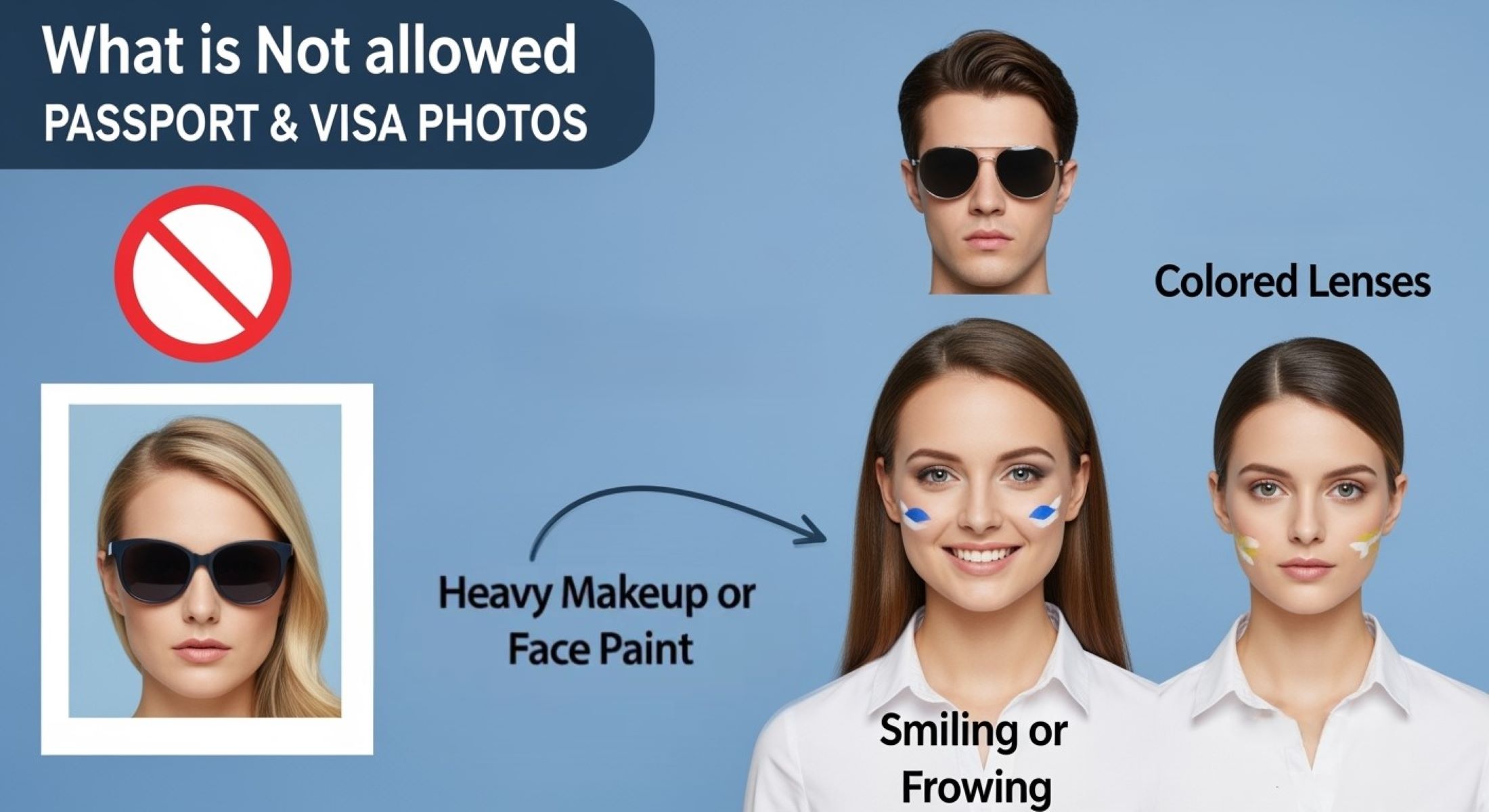
The basic requirements for passport and visa photos are surprisingly consistent across most countries, although exact dimensions and paper types may vary. Typically, the photo must be in color and printed on high-quality photo paper to ensure that all facial features are crisp and distinguishable. In the U.S., the standard size is 2×2 inches (51×51 mm), but other countries may use slightly different measurements. The face must be fully visible and looking directly into the camera, ensuring that no part of the facial structure is hidden by hair, glasses, or other objects. A neutral expression is required, which means no broad smiles, exaggerated frowns, or other expressions that can distort the natural shape of your face.
Eyes play a particularly important role in identification, which is why they must be fully open, clearly visible, and free from obstruction. Glasses, hair, or shadows that partially cover the eyes can lead to photo rejection. The background is usually required to be plain and light-colored, helping to maintain focus on the face and prevent distractions. Proper lighting is critical—harsh shadows, overexposure, or dim lighting can make even a well-groomed appearance hard to recognize. All of these seemingly small details work together to ensure that the photo accurately represents the person for identification purposes.
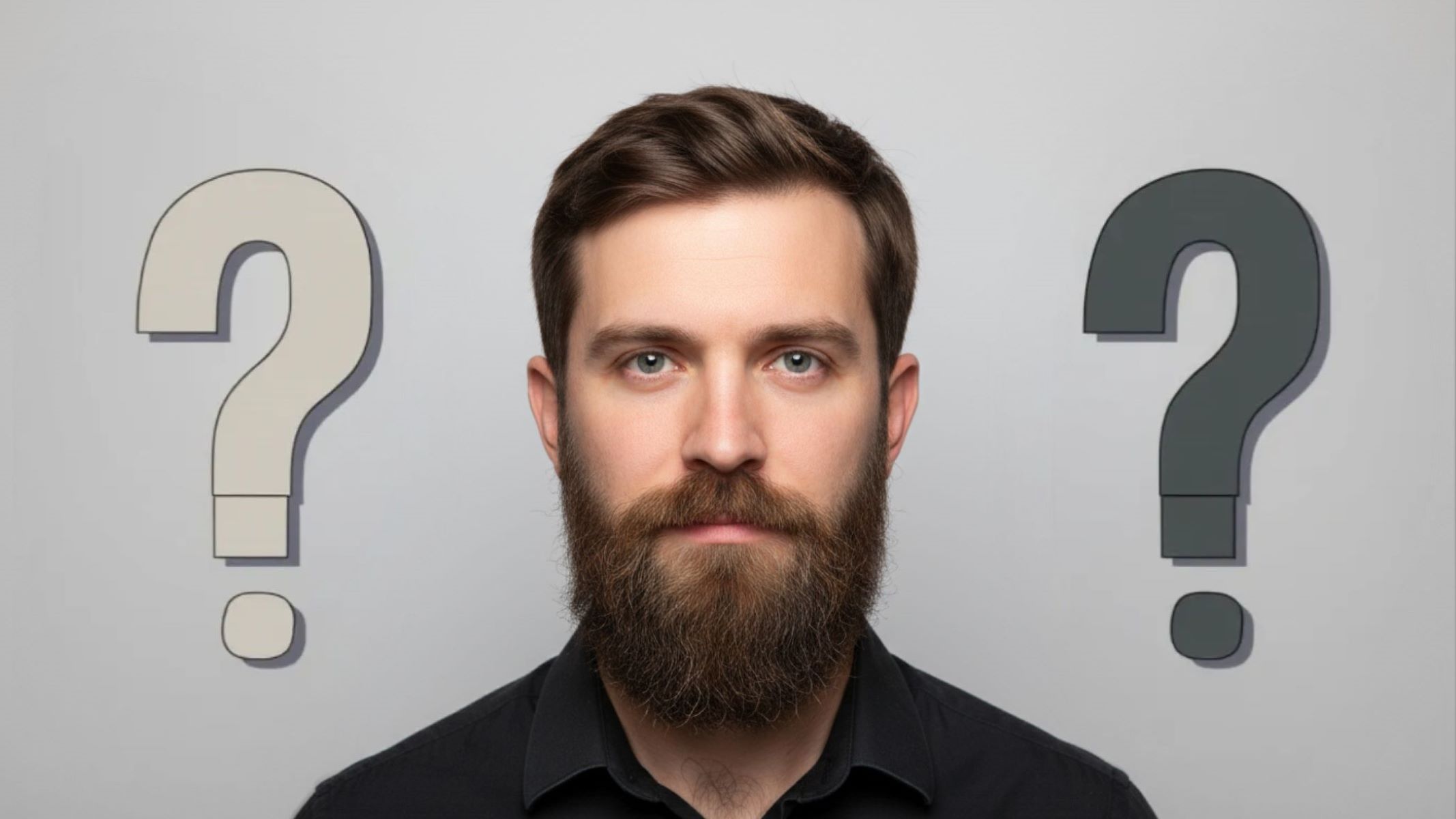
Facial hair is one area that often causes confusion, but it doesn’t automatically disqualify a photo. What matters most is whether the beard, mustache, or goatee obscures key facial features such as the jawline, chin, or cheeks. A well-kept beard that frames the face without hiding these areas is usually acceptable, whereas overly long or bushy facial hair that distorts your natural appearance may be flagged. The goal is simple: authorities need a clear view of your face so they can confidently match it to your documents, travel records, and biometric systems. In other words, your facial hair is fine as long as it doesn’t interfere with identification.
Official Guidelines on Beards in Passport Photos
| Country | Beard Allowed? | Key Restrictions | Photo Tips | Additional Notes |
| United States | Yes | Facial hair must not obscure the edges of the face. Full face from chin to forehead must be visible. | Keep beard neatly trimmed and ensure jawline is clear. | Check official U.S. passport guidelines for updates before submission. |
| United Kingdom | Yes | Beard must not cover eyes or the shape of the face. | Maintain a neutral expression; comb beard neatly. | Passport office may request trimming if identification is obstructed. |
| Canada | Yes | Must ensure no heavy shadowing hides the jawline; neutral expression required. | Trim and shape beard evenly to prevent shadows. | Ensure lighting is uniform; shadows can cause photo rejection. |
| Australia | Yes | Avoid extreme styles that drastically alter appearance; full face must be visible. | Keep beard moderate and groomed; check that chin and cheeks are clearly visible. | Confirm latest Australian passport photo standards online. |
| India | Yes | Full face must be visible; facial hair should not create shadows over the jawline. | Neatly comb and trim beard; maintain clear contrast with background. | Rules may vary slightly by local passport office, so verify before submission. |
Types of Beards and How They Affect Passport Photos
- Short Stubble – Short stubble is usually fully acceptable for passport and visa photos. It gives a clean, groomed appearance while keeping all facial features visible. When taking your photo, make sure the stubble is even and doesn’t cast shadows over the jawline or chin. Even small shadowing can sometimes make identification harder, so trimming around the edges and combing any stray hairs is recommended.
- Full Beard – Full beards are generally allowed, but they must be neat and well-maintained. The key is to ensure that the jawline and chin are clearly visible. A beard that is too bushy or irregular can obscure the natural shape of your face, potentially leading to rejection. Keeping the beard trimmed and shaped around the cheeks, chin, and jawline helps maintain clear facial contours, which is critical for official documents.
- Long or Bushy Beard – Long or very thick beards may require extra care. While they are not automatically disallowed, they can interfere with identification if they cover too much of the face, particularly the chin or neck. It’s important to manage the length and volume so that your facial structure remains clearly recognizable. Consider trimming excessively long sections or tying them back in a controlled manner if necessary.
- Goatee or Soul Patch – Goatees and soul patches are typically fine for passport photos, as they only affect a small part of the face. However, surrounding areas must remain neat, and the beard should not create uneven shadows on the lower face. Maintaining a clean edge around the goatee or soul patch ensures that key facial features like the chin and jawline are clearly visible.
- Designer Beard Styles – Trendy or highly stylized beards, such as sharply angled or artistic shapes, may be accepted in some countries but could pose challenges. If the style dramatically alters your appearance compared to other identification documents, consider trimming or simplifying it. The goal is to present a recognizable, consistent image that aligns with your official ID and avoids any confusion at borders or airports.
- Mustache-Focused Beards – Beards that emphasize a mustache, like handlebar styles, are generally allowed, but the mustache should not cover the upper lip entirely. Clear visibility of the mouth area is important for identification, so trimming or styling the mustache to keep the lips visible is recommended.
Common Mistakes People Make with Beards in Photos
One of the most frequent mistakes people make when taking a passport or visa photo with a beard is covering the chin or jawline. These areas are crucial for identification because they define the shape of your face. A beard that hangs too low or is overly bushy can obscure these features, making it difficult for authorities to match your photo with your actual appearance. Even if your beard looks stylish in everyday life, it may need slight trimming for your official photo to ensure your facial outline is clearly visible.
Another common issue is uneven or messy beards. Stray hairs, patches of different lengths, or a general lack of grooming can cast shadows or distort the natural contours of your face. These small inconsistencies can create subtle visual noise that makes identification harder. Taking the time to comb, trim, and evenly shape your beard can prevent these issues. A neat beard not only meets official requirements but also presents a polished and professional look in your passport or visa photo.
Extreme styling is another pitfall that often trips people up. Trendy or unusual beard shapes that dramatically change your appearance from other ID documents can confuse authorities. For example, a sharply angled beard or highly stylized goatee might make it difficult to match your face with previous photos. The goal is consistency: your passport or visa photo should reflect how you typically appear so that it can be reliably used for identification. Simplifying overly complex styles can save you from unnecessary delays or rejection.
Finally, lighting plays a critical role, and beards that are too dark or too light can create issues. Thick, dark beards can cast shadows that hide key facial features, while very light or patchy beards can blend with skin tones or create uneven contrast. Proper, even lighting is essential to avoid these problems. Ideally, use soft, balanced lighting when taking your photo to ensure your entire face, including your jawline and chin, is clearly visible. Attention to detail in lighting can make the difference between an approved photo and a rejected one.
Tips to Take a Beard-Friendly Passport Photo
| Tip | Why It Matters | How to Do It | Common Mistakes to Avoid | Extra Advice |
| Keep It Neat | A tidy beard ensures your facial features are clearly visible and avoids shadows that obscure the jawline. | Trim your beard evenly, comb it, and remove stray hairs before taking the photo. | Leaving stray hairs or uneven growth that hides your chin or cheeks. | Treat this as grooming for your most important photo; even small adjustments make a big difference. |
| Focus on Lighting | Proper lighting prevents shadows that can distort or hide facial features, which is critical for identification. | Use soft, even lighting, ideally from the front. Avoid harsh overhead light that can create unflattering shadows. | Using dim lighting or uneven light that exaggerates shadows in the beard. | Natural daylight or a well-lit studio works best. Test different angles to avoid shadowed areas. |
| Maintain a Neutral Expression | A neutral expression ensures facial features are consistently recognizable across ID systems. | Keep lips closed and face relaxed. Avoid smiling broadly or frowning. | Exaggerated expressions can distort the natural shape of your face. | Think of it as the “default face” that best represents your everyday appearance. |
| Ensure Background Contrast | A plain, light background ensures your beard doesn’t blend in, keeping facial contours visible. | Use a light-colored wall or backdrop. Ensure no patterns or objects interfere. | Dark or busy backgrounds that make thick or dark beards blend in. | A slightly off-white background can also work; avoid harsh colors that cast reflections. |
| Position Face Properly | Proper positioning ensures all key facial features are fully visible for identification. | Look straight at the camera, with your head centered and eyes open. Keep chin level. | Tilting the head too much or leaning can hide the jawline or distort proportions. | Stand about 4–6 feet from the camera for optimal framing; test with a selfie first to check angles. |
Does a Beard Affect Biometric Passports?
- Facial Recognition and Key Points – Biometric passports rely on facial recognition technology, which measures essential facial landmarks such as the eyes, nose, mouth, chin, and jawline. These reference points allow border authorities and automated systems to accurately match your face with the photo stored in your passport database. Even small changes to these areas can affect recognition, which is why facial hair sometimes comes under scrutiny.
- Impact of Facial Hair on Recognition – Beards, particularly thick or bushy ones, can alter the perception of your chin and jawline. A long, unkempt beard may obscure the natural contours of your face, making it harder for biometric systems to accurately measure distances between key points. Short, well-maintained beards usually do not pose a problem, as they preserve the overall shape of the face and allow automated systems to read the critical landmarks without distortion.
- Trimming and Uniformity – Keeping your beard trimmed and uniform is essential for biometric photos. Uneven growth, stray hairs, or patches can cast shadows or change the apparent shape of the jawline, which may cause recognition errors. Regular grooming ensures that your photo closely reflects your actual appearance, reducing the risk of your passport photo being flagged by biometric systems.
- Visibility of Key Features – For biometric purposes, it’s crucial to make sure that the eyes and forehead remain clearly visible. The technology relies on these regions to anchor its measurements, and anything covering or altering their appearance, including thick sideburns or extended forehead hair blending with a beard, can interfere with accurate identification. Maintaining a well-groomed beard that frames but does not obscure the face is the best way to ensure smooth processing of biometric passports.
- Lighting and Photo Quality – Even with a properly groomed beard, poor lighting can affect biometric recognition. Shadows caused by uneven lighting or overly dark facial hair can obscure critical facial features. Using soft, even lighting ensures that the system captures a clear image of the face, allowing for accurate measurement of all key points.
- Consistency Across IDs – Finally, it’s important that your passport photo with a beard is consistent with other identification documents. Drastic changes in beard length or style between documents can confuse biometric systems and human officers alike. Maintaining a similar appearance across IDs helps prevent mismatches and facilitates smoother border control procedures.